




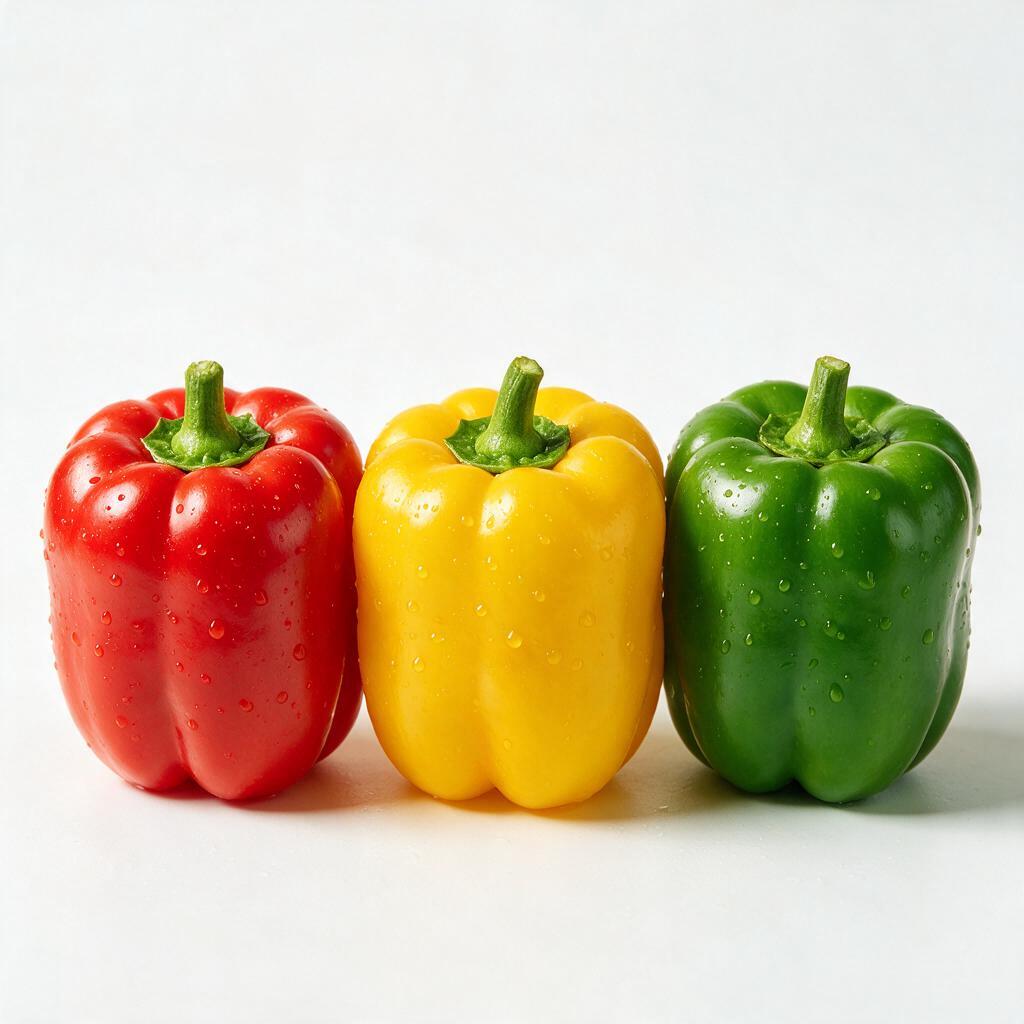
Bell Pepper Cold Chain Export from China: Keeping Sweet Peppers Fresh from Farm to Port
Why Cold Chain Matters for Fresh Bell Pepper Export
Sweet bell peppers are a high-moisture, thin-skinned vegetable. Once picked, they keep respiring and losing water, which is why temperature control decides whether peppers arrive firm and glossy or soft and shrivelled. For Chinese exporters supplying international markets, a disciplined cold chain is not an extra service - it is the difference between a repeat customer and a rejected container.
The goal of the bell pepper cold chain is simple: slow down the natural decline after harvest while avoiding chilling injury. Peppers are best cooled to around 7-9°C after harvest and kept near that range throughout storage and transit. Because peppers are tropical by origin, they are more sensitive to cold than temperate crops; temperatures below about 6°C can cause pitting and water-soaked spots that ruin the appearance buyers expect.
Pre-Cooling and Field-Side Practices
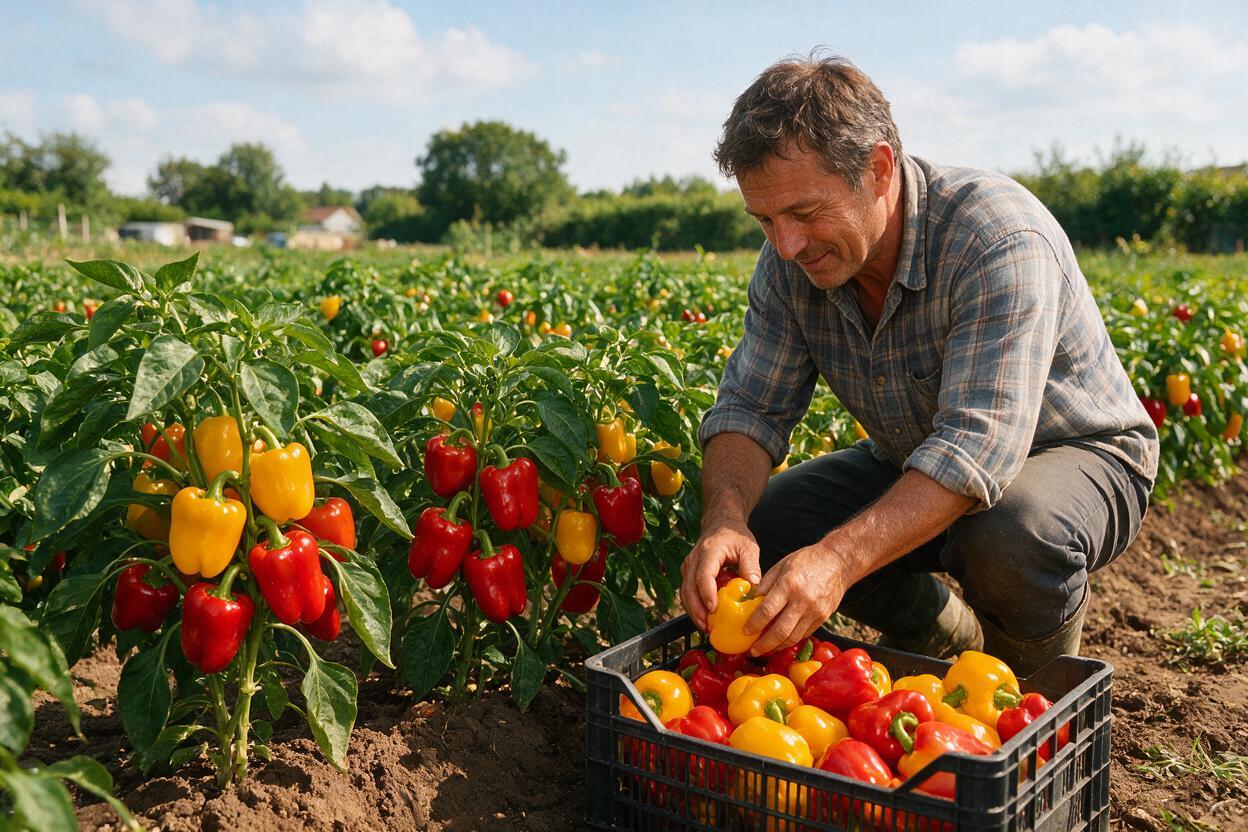
Good cold chain management starts before the fruit reaches the packing house. In China's main pepper growing areas, fruit is picked in the early morning when field heat is lowest, then moved quickly to shaded collection points. Pre-cooling removes field heat rapidly. Forced-air cooling is common for peppers because it pulls heat out faster than simple room cooling while remaining gentler than hydro-cooling, which peppers do not tolerate well.
A well-run pre-cooling step also protects shelf life through the rest of the journey. Every hour of delay between picking and cooling shortens the usable life of the pepper by measurable amounts, so the best exporters plan the harvest-to-cooling window in minutes rather than hours.
Packing House Grading and Careful Handling
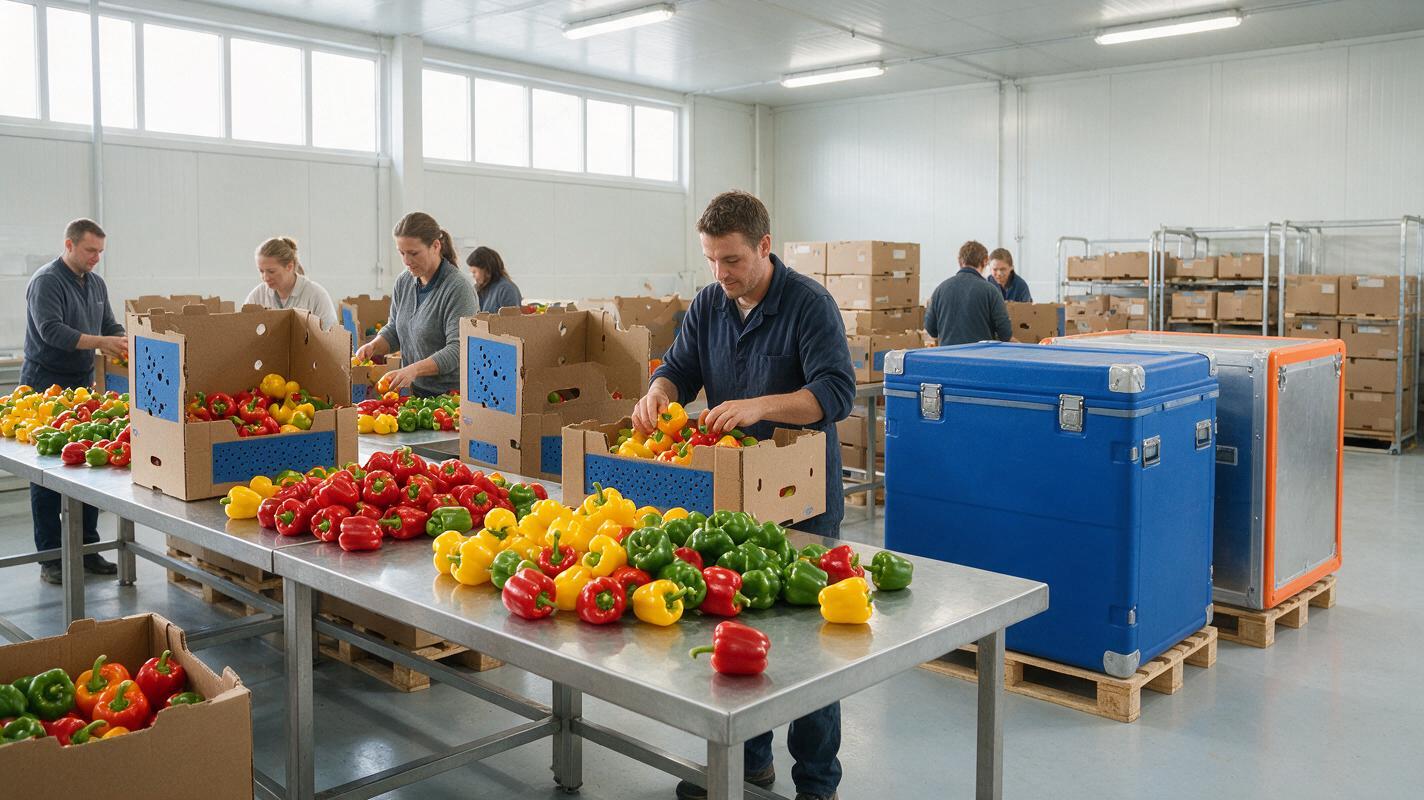
Cold chain quality depends on the fruit that enters it. Before cooling, bell peppers are graded by size, colour and firmness, and damaged or bruised fruit is removed. Peppers are washed and inspected, then packed into ventilated boxes that allow air to move around each fruit. In the packing house, the ambient temperature is kept low so that peppers do not warm up while they wait to be boxed.
Handling is part of the cold chain too. Peppers bruise easily, and a single rough drop can create damage that shows up as discolouration days later. Export packing lines use padded surfaces, careful staff handling and firm-but-not-tight packing to prevent movement inside the carton.
Container Logistics and Temperature Monitoring
For ocean freight, bell peppers travel in refrigerated containers set to the correct temperature and with controlled ventilation. Modern reefer containers let the exporter set temperature, fresh-air exchange and even relative humidity, and data loggers record conditions through the voyage. This record gives importers confidence that the peppers were handled properly and gives buyers a clear quality story.
Good cold chain practice also extends to the destination side. Peppers should be unpacked into a cool environment as soon as they land, and the fruit should be used within the transit-and-storage window planned by the exporter. When every handlink in the chain holds temperature and humidity in the right range, sweet peppers arrive with the crisp bite, bright colour and long shelf life that premium markets demand.
Choosing a Cold-Chain-Ready Bell Pepper Partner
Importers should ask potential Chinese suppliers about their cooling equipment, temperature records and packing practices, not just their prices. A supplier that can show pre-cooling capacity, refrigerated staging and monitored reefer shipments is far more likely to deliver consistent quality. Huasheng Fruits & Vegetables combines careful field selection with a structured cold chain so that fresh bell peppers keep their quality from the farm right through to your port.