

Bell Pepper Export Ports and Shipping Routes from China
Sweet bell peppers are one of China's most reliable veggie exports, and getting them overseas safely depends less on the greenhouse and more on the route. Knowing which port, which container and which transit window fits your destination is the fastest way to cut spoilage and cost.
Major export ports and their catchment farms
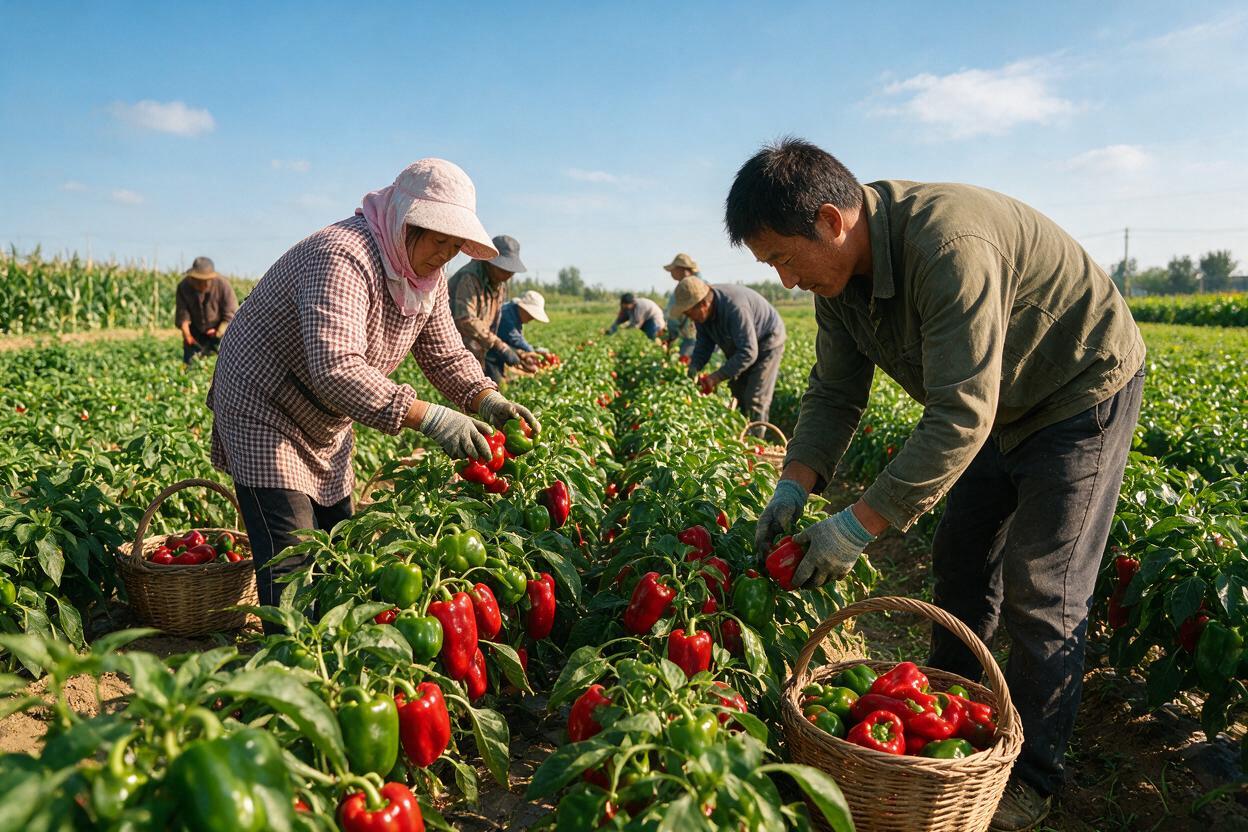
Shandong province leads Chinese bell pepper output (Weifang and Shouguang produce year-round under plastic greenhouses). The natural gateway is Qingdao port, one of China's biggest reefer-export hubs with frequent cold chain sailings. Farms in Inner Mongolia, Gansu and Xinjiang typically route through Tianjin, while central-grown peppers often feed Shanghai. Matching your supplier's province to the right port cuts overland truck time substantially.
Reefer transport: temperature, humidity and transit windows
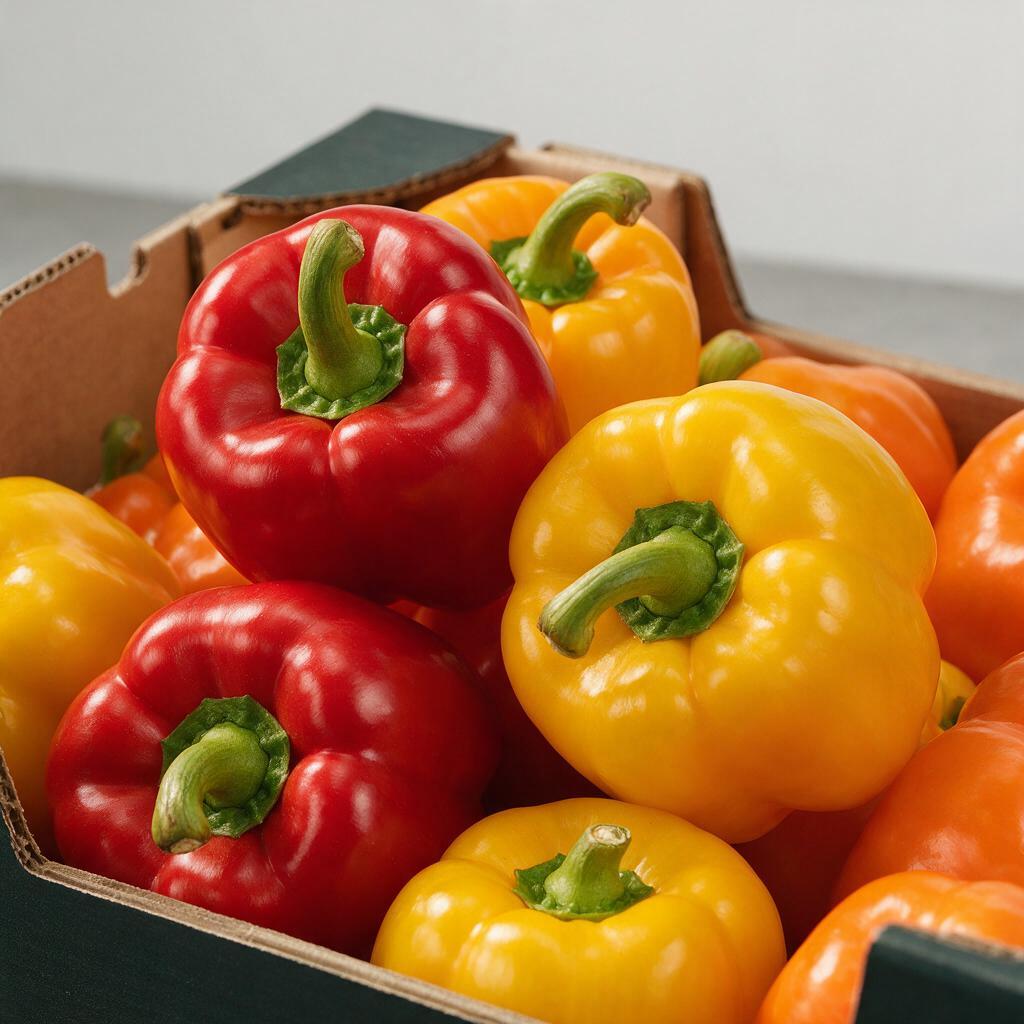
Fresh bell peppers travel best at roughly 7-8 C with 90-95% relative humidity and active ethylene management. Most destinations in the Middle East, Southeast Asia and Europe are 10-25 days by sea from a Chinese port, a window that leaves peppers firm and glossy if the cold chain is unbroken from packhouse to discharge.
Choosing a route that protects shelf life
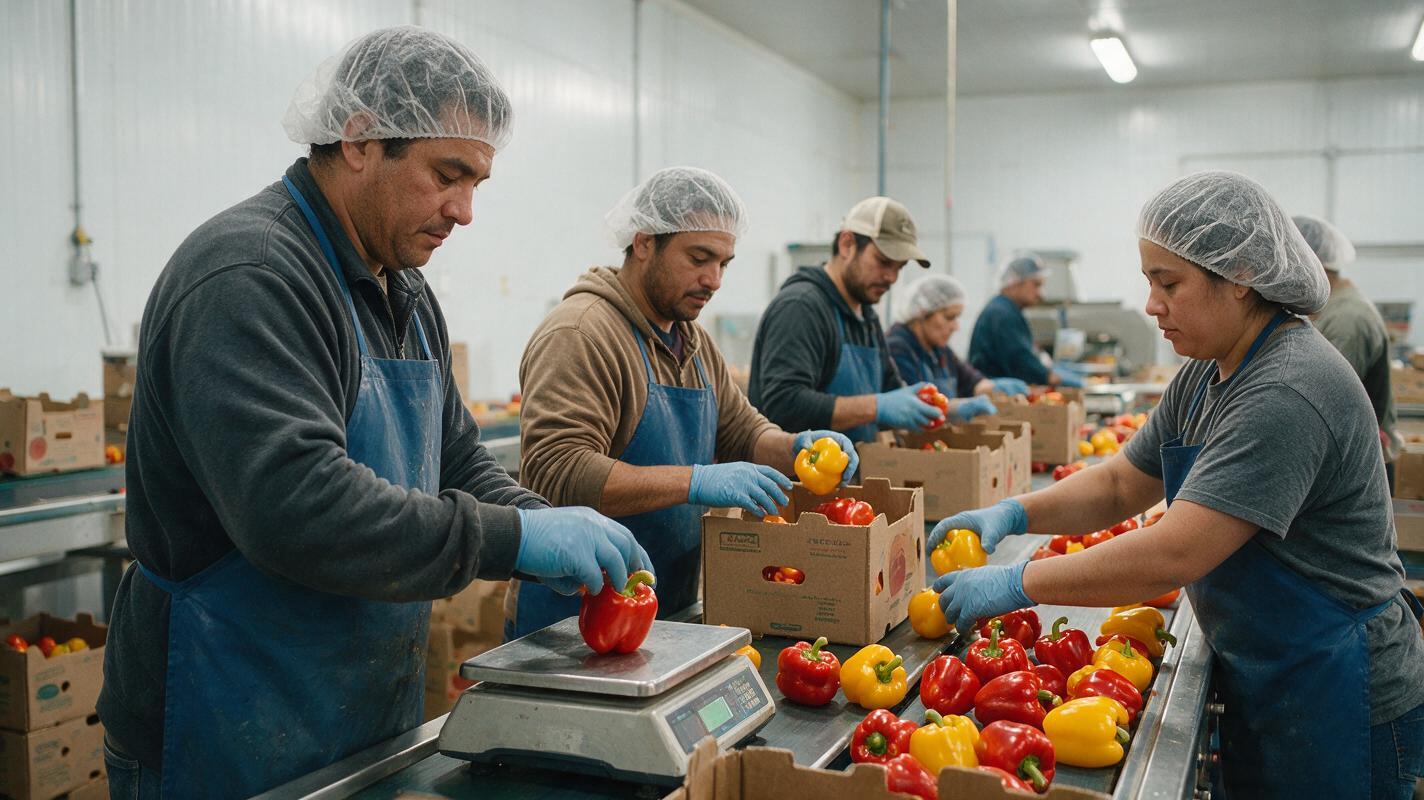
For nearby buyers, direct short-sea sailings from Qingdao or Shanghai to South Korea, Japan and Southeast Asia are quickest. For Europe and the Americas, transshipment hubs in Singapore and Rotterdam add days, so we recommend asking your supplier to pre-cool peppers at source and use vent-controlled reefer settings. Hua Sheng aligns packing counts and transit risk with your destination port.
Contact us for a port-by-port shipping plan, load documentation and reefer temperature recommendations matched to your market.