




Carrot Price Trends from China: What Export Buyers Should Watch
Carrots are a staple import for many markets, so price movement has a big impact on budgets. Understanding the drivers helps buyers time orders and lock in better value.
Seasonal supply cycles
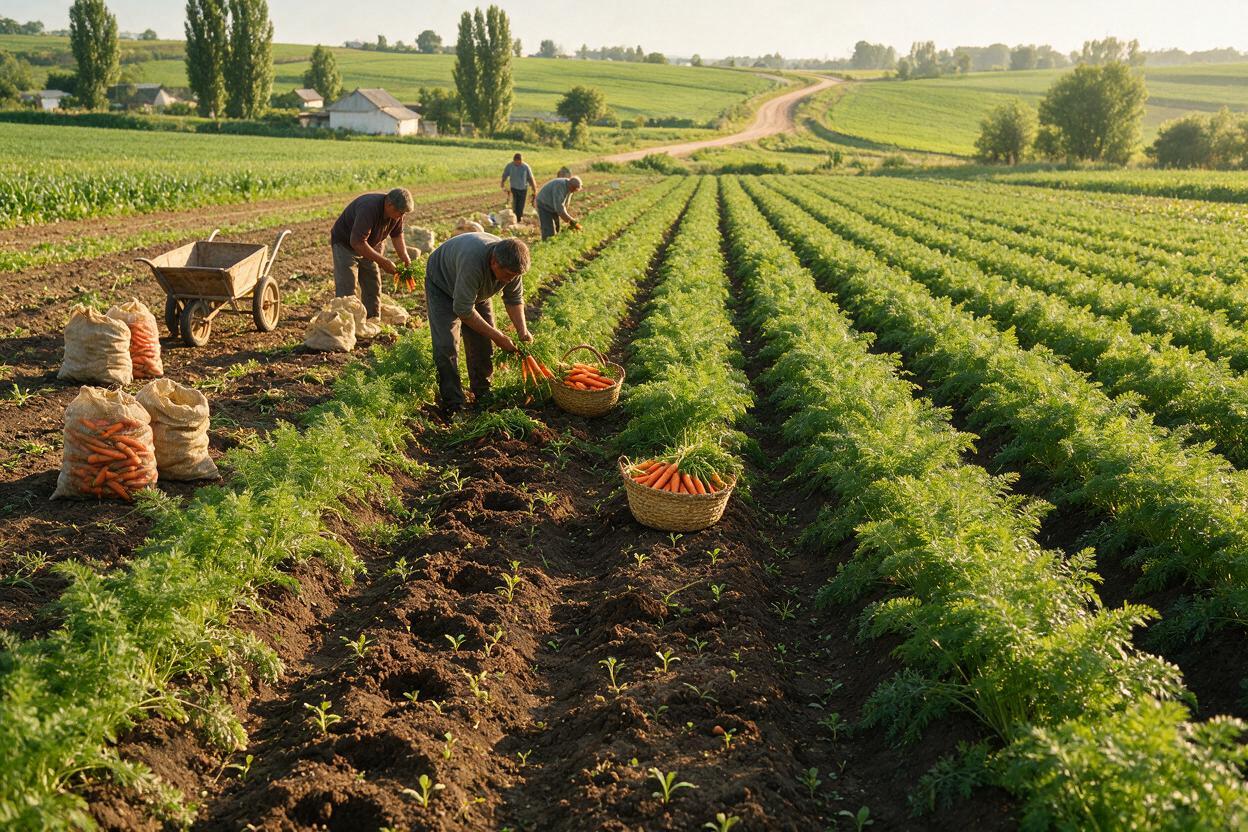
Carrot production follows planting and harvest calendars across regions. Planting schedules create peaks and gaps in supply, and prices typically move with these seasonal flows.
Climate and output
Weather during the growing season decides volume and quality. Frost, drought or heavy rain can trim yields and push prices up, while good conditions support steadier, lower-cost supply.
Demand and market factors
Buyer demand, destination preferences and competing origins all influence price. Monitoring trade flows and buyer appetite helps predict direction and avoid overpaying.
Quality and grade pricing
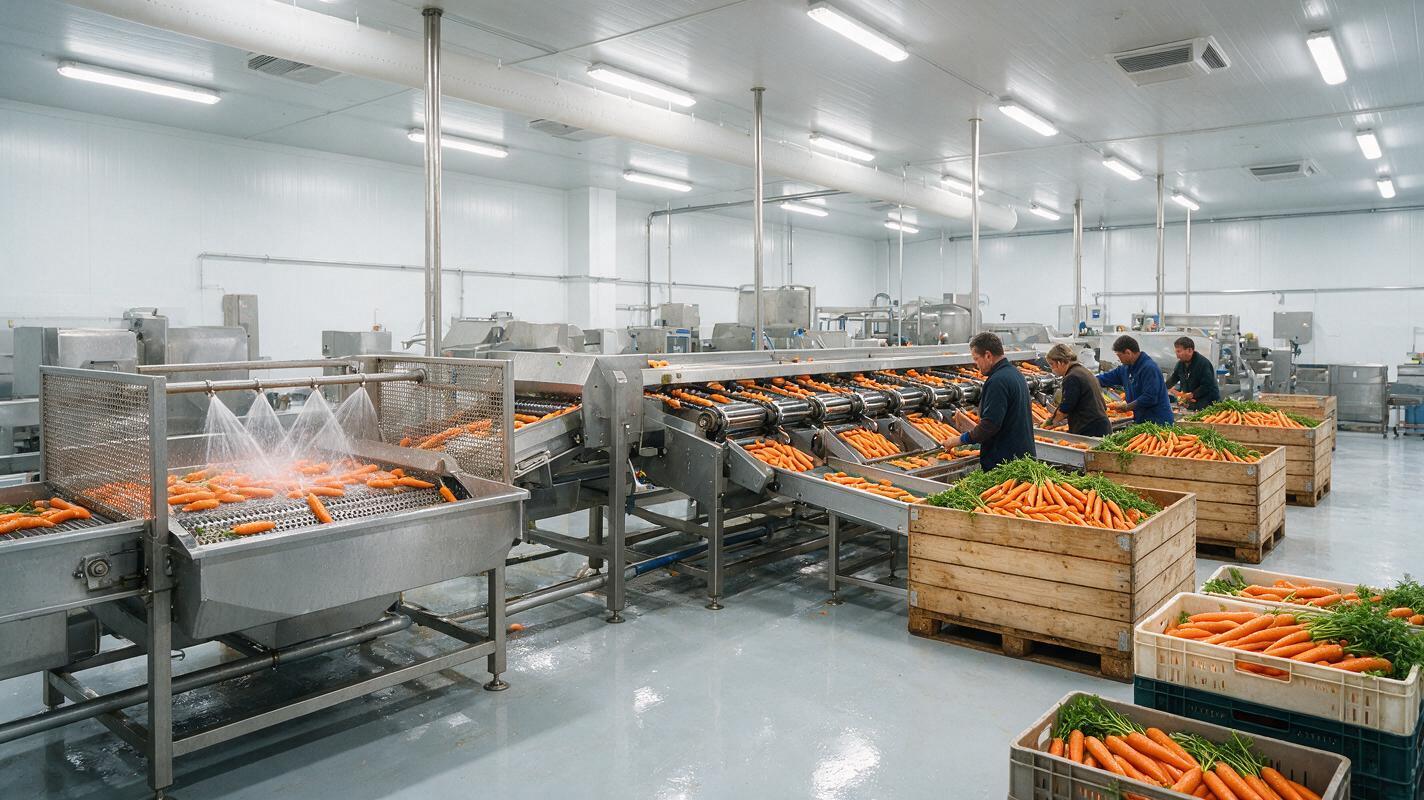
Premium grades with uniform size, smooth skin and fresh tops command higher prices. Matching grade to market need avoids paying for quality you do not require.
Grade choice directly shapes cost.
How Huasheng supports smart buying
With transparent pricing and consistent supply, Huasheng helps buyers source Chinese carrots at fair value across the seasonal cycle.
FAQ
Why do carrot prices change?
Seasonal supply, weather and demand.
When is supply highest?
At peak harvest windows across regions.
What raises prices?
Yields cut by bad weather.
How does grade affect price?
Premium grades cost more.
How does Huasheng help?
Fair pricing and consistent supply.