

Disease-Free Ginger Seedling Programs From China: How Tissue Culture Builds Cleaner, Higher-Yield Export Supply
Starting Cleaner Than the Field
Ginger is propagated vegetatively, which means diseases and pests inherited from seed rhizomes can silently drag down a whole crop. Tissue culture starts from carefully selected meristem tissue, multiplied in a sterile lab to produce disease-free plantlets. Planting these clean starts lets growers break the cycle of soft rot and nematode pressure that plagues conventional seed.
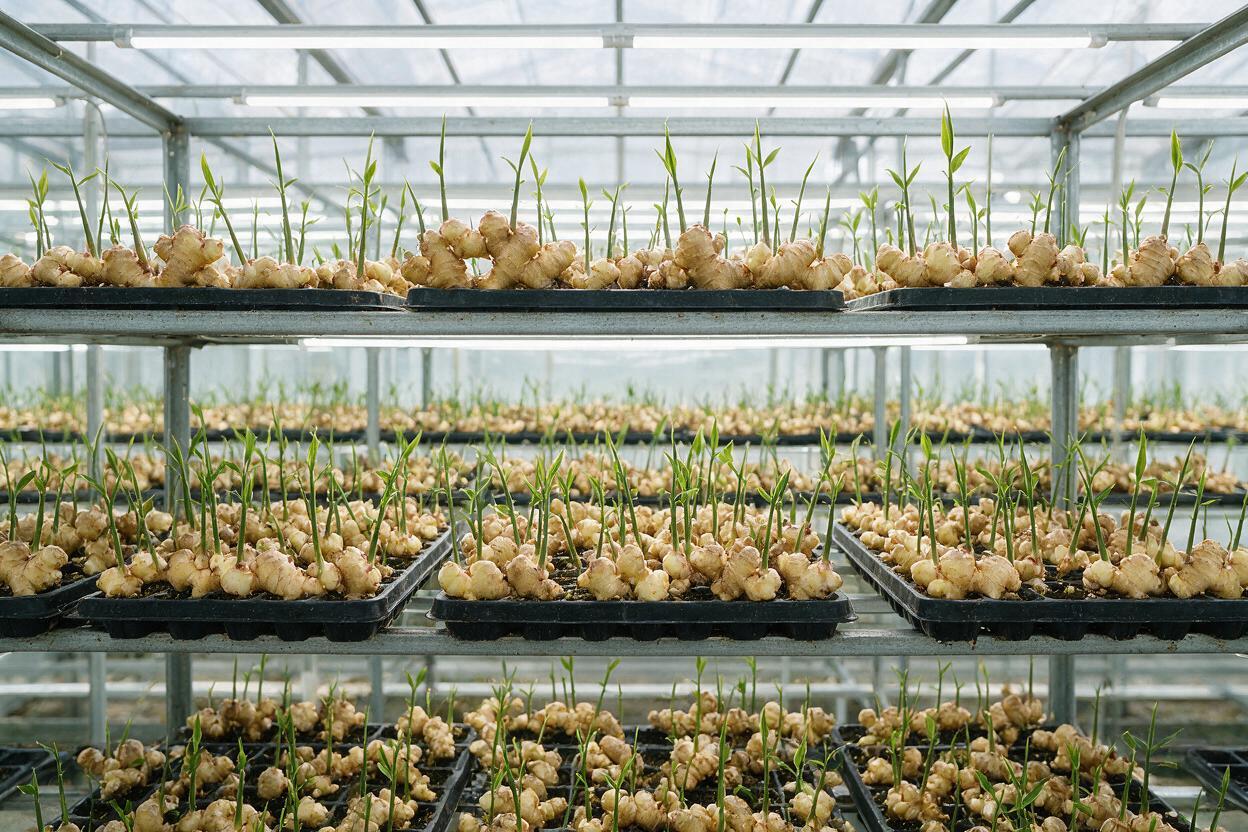
From Lab Micropropagation to Greenhouse Hardening
Plantlets are multiplied in the lab, then hardened in greenhouses to adapt to real soil and light before transplanting. This nursery stage produces uniform, vigorous seedlings that establish evenly in the field. Cleaner roots and a strong start translate directly into healthier plants and more consistent rhizomes at harvest.
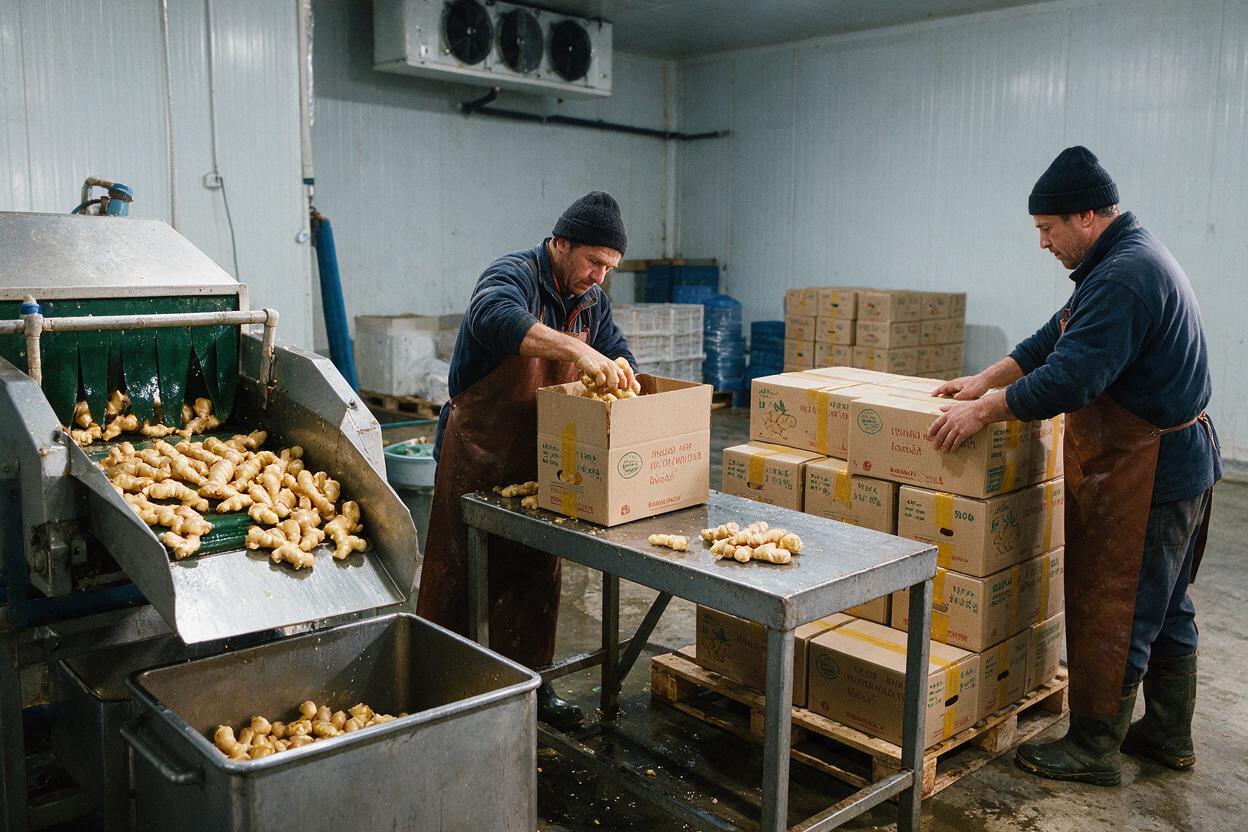
What Clean Seed Means for Export Buyers
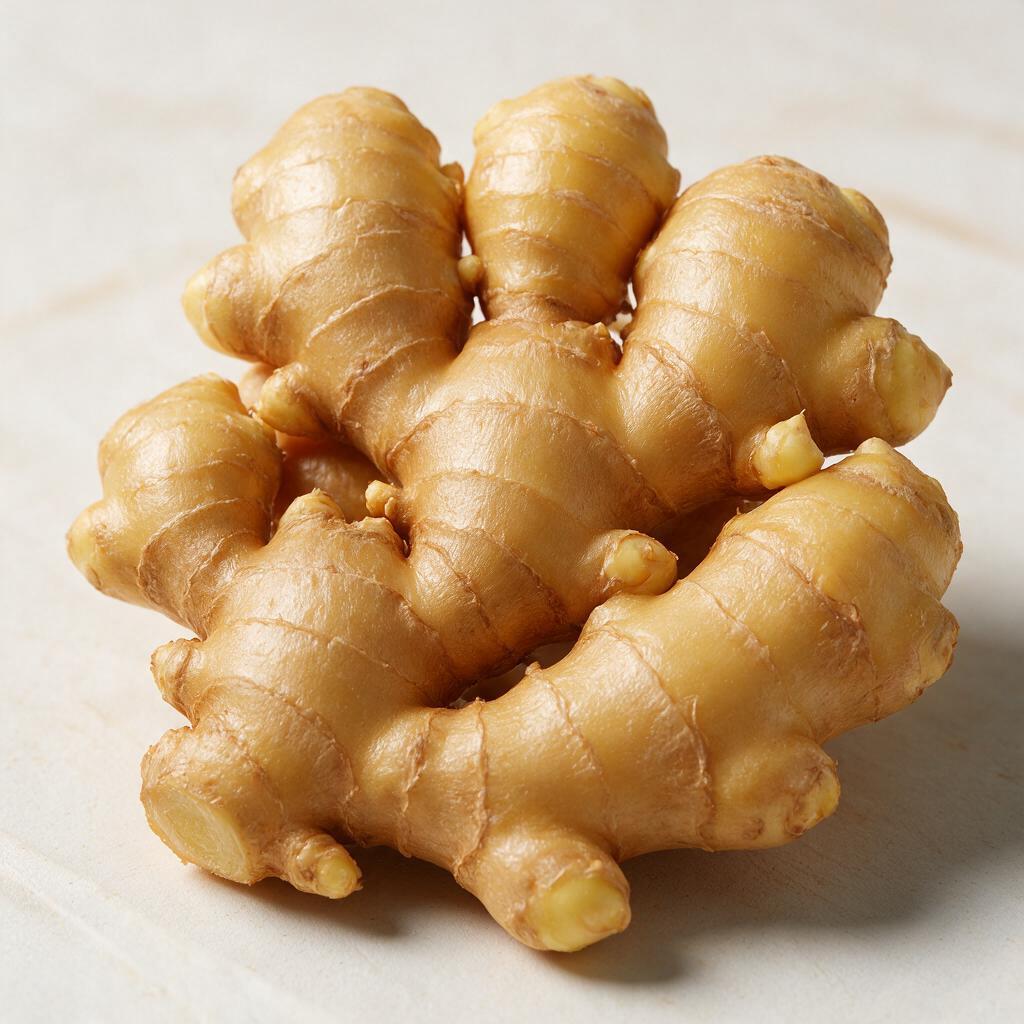
For buyers, the benefits show up in the box: fewer blemishes, firmer flesh, lower residue risk from reduced chemical sprays, and a more stable volume from healthier crops. Documentation that traces roots back to a tissue-culture program is also a strong answer to food-safety and traceability questions in stricter markets.
A Cleaner Foundation for a Stable Season
When exporters build supply on disease-free planting material, the gains compound season after season. If your market values clean, uniform ginger with a verifiable start, a tissue-culture-based program is the foundation to ask about. We can plan young or mature ginger, organic or conventional, grown from a healthier start.