




Ginger Varieties from China: Young vs Mature Fresh Roots for Export
Young vs Mature: Two Fresh Gingers That Serve Different Markets
Not all fresh ginger is the same. Chinese growers supply both young ginger and mature ginger, and the differences in flavour, skin and texture mean they serve very different customers. Understanding the two types helps importers choose the right product and avoid surprises when a shipment arrives.
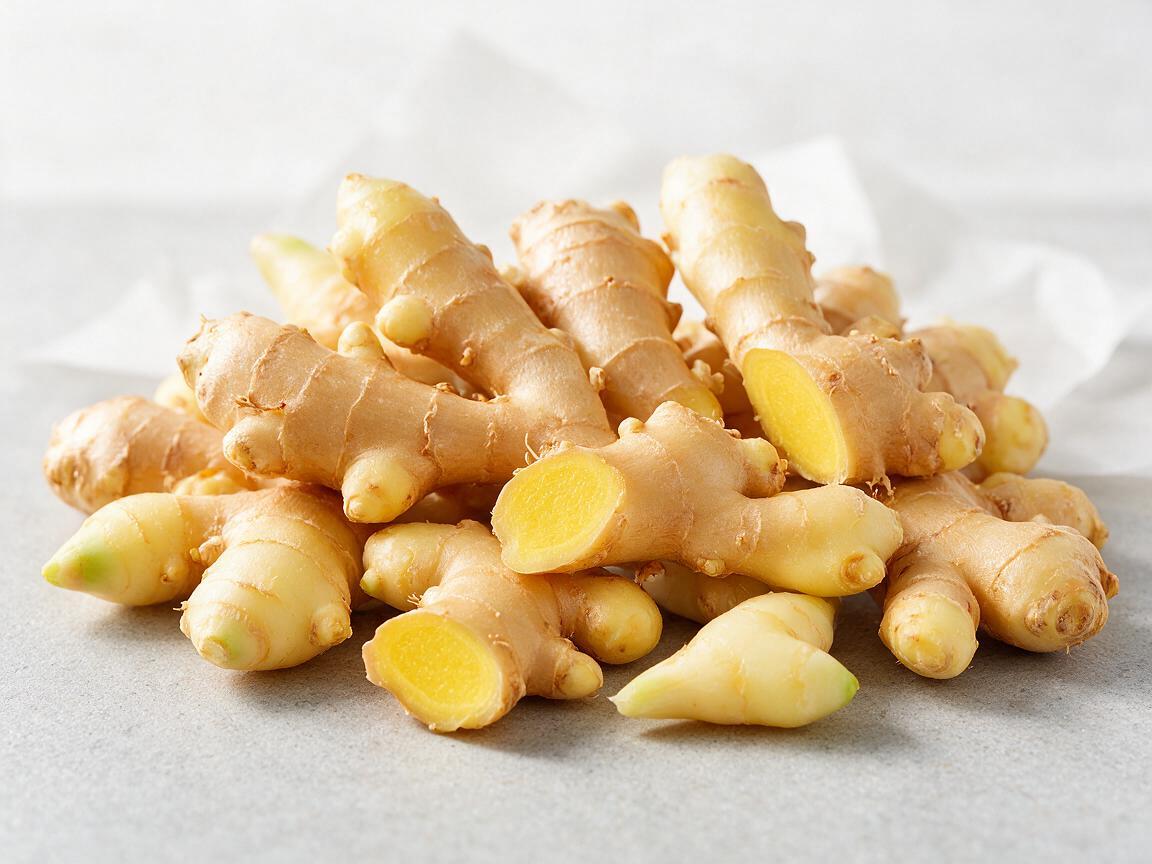
Young ginger is harvested early, before the root has fully matured. Its skin is thin, pale and almost translucent, and it is tender, juicy and mild in flavour with only a gentle warmth. Because it lacks the tough fibre and heat of mature ginger, young ginger is prized in salads, pickled ginger, desserts and lighter dishes. In many Asian cuisines it is eaten almost like a fresh vegetable rather than a spice.
Mature Ginger: The Workhorse for Cooking and Processing
Mature ginger is left in the ground longer so the root develops fully. It has a firm, fibrous texture, thicker tan-brown skin and a much stronger, spicier flavour. This is the ginger used daily in cooking, tea, marinades and sauces, and it is also the raw material for dried ginger, ginger powder, oleoresin and other processing. Mature ginger stores and travels well, which makes it the standard choice for most export programmes.
Within mature ginger, buyers also distinguish by how it is prepared. Washed or cleaned ginger has the soil brushed off and looks fresh and bright for retail. Unwashed ginger keeps a natural coating that protects the skin during long transit and is favoured for processing and certain wholesale channels. Both are legitimate, and the right choice depends on the destination and how the ginger will be used.
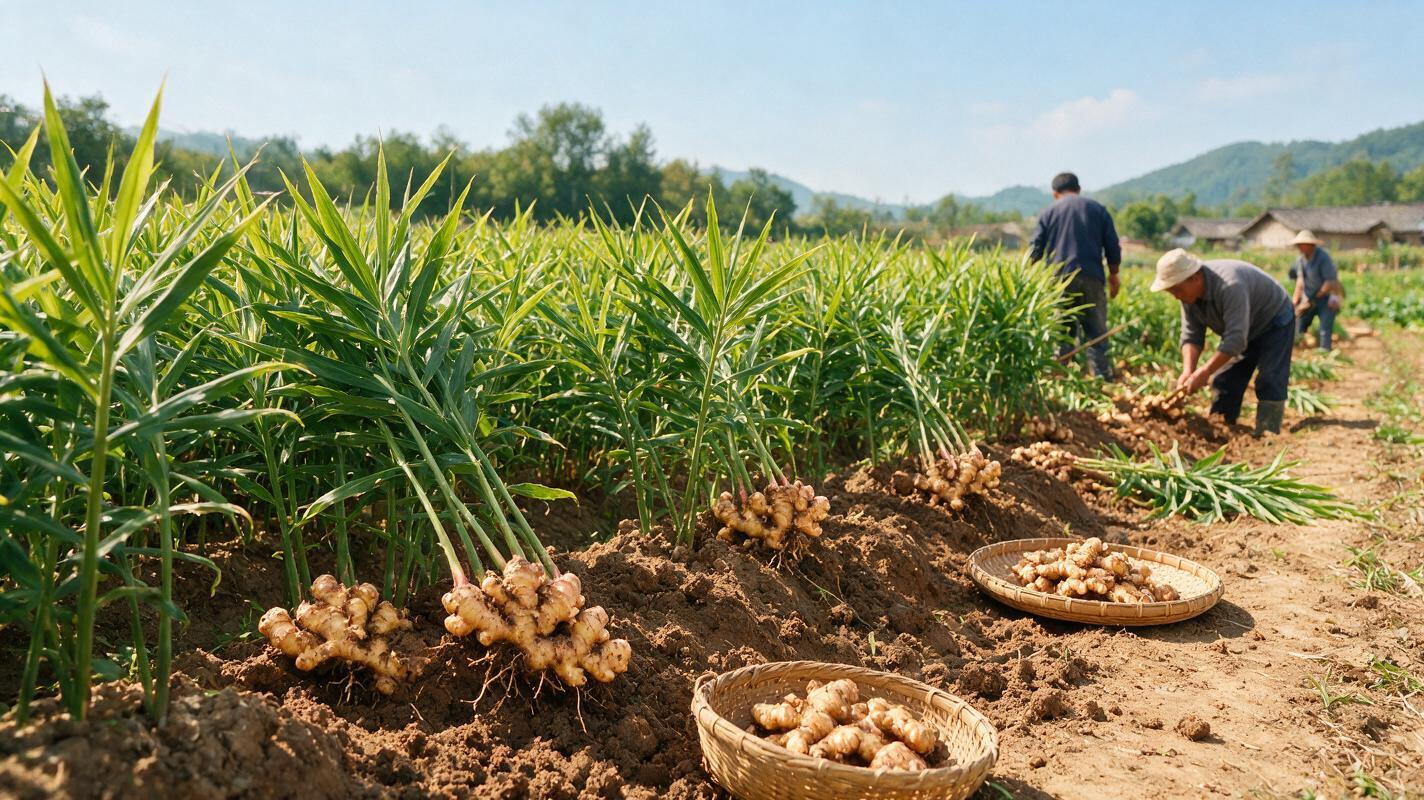
Sandy vs Clay Soil Roots
Growing soil also shapes the product. Ginger grown in sandy soil tends to be cleaner, lighter in colour and easier to wash, which is attractive for fresh retail presentation. Ginger grown in clay soil is often firmer and considered by many chefs to have a stronger aroma and better keeping quality. Seasoned importers often have a clear preference, so it is worth confirming which type a supplier is offering for a given price.
Grading, Quality and Handling
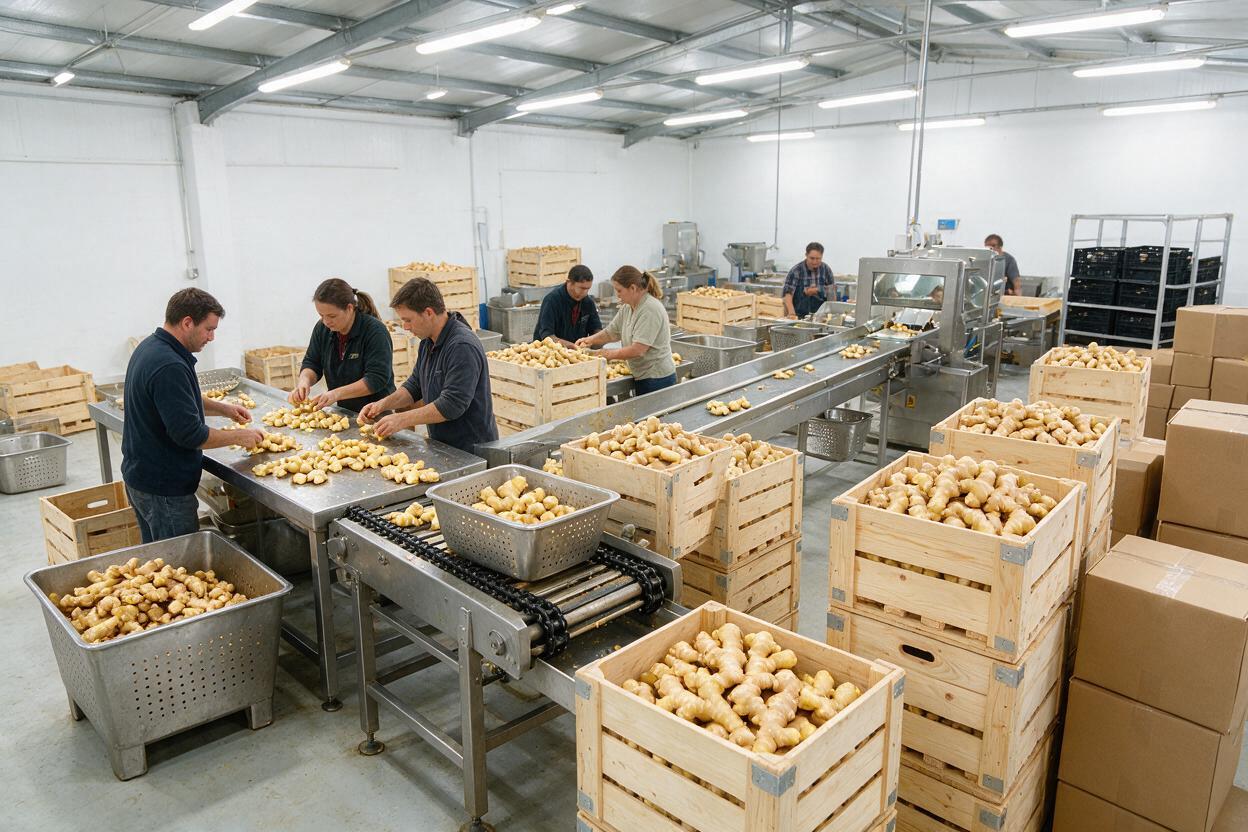
Quality rules for ginger focus on firmness, moisture and freedom from decay. Good roots are plump, firm and heavy for their size, with smooth, unblemished skin. Cut ends should be fresh and clean, and the roots should show no signs of shrivelling, soft spots, mould or sprouting. Since ginger is a root that lives in the soil, thorough washing and careful inspection are essential to present a clean product.
After grading, fresh ginger is packed and kept cool with high humidity so it does not dry out in transit. Mature ginger tolerates this better than young ginger, which is more delicate and needs the shortest, most careful route to market.
For importers, the first question is simple: do you need young ginger for fresh, delicate uses, or mature ginger for cooking and processing? Once that is clear, a knowledgeable supplier can guide you on washed versus unwashed root and sandy versus clay soil types. Huasheng Fruits & Vegetables supplies both young and mature fresh ginger, selected and handled so it keeps its aroma and firmness from farm to port.