

Ginger Quality by Volatile Oil Content: Buying Better Roots
Ginger buyers often grade by size and skin, but the trait that really matters is volatile oil content. This essential-oil index drives aroma, pungency and the value of both fresh roots and processed ginger products.
What volatile oil tells you
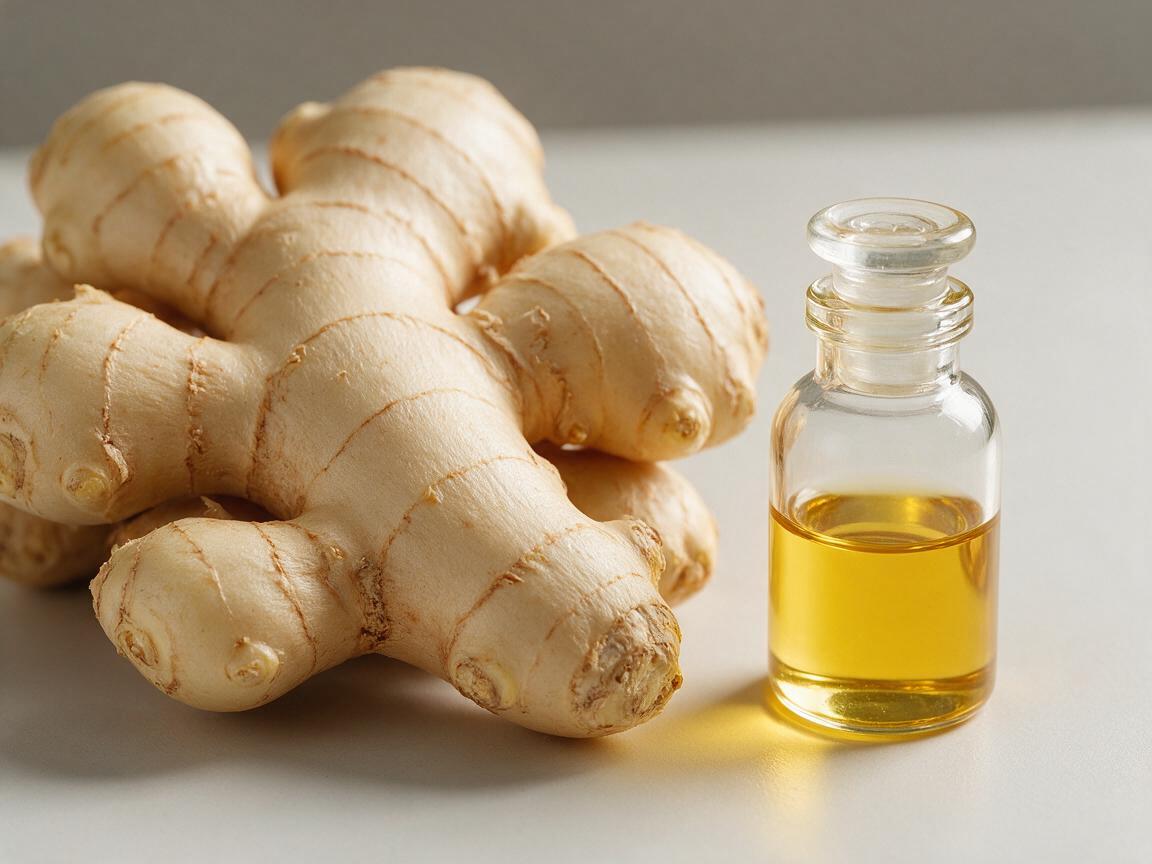
Volatile oil holds the compounds that make ginger taste like ginger — zingiberene and zingerone among them. Higher oil content means stronger aroma and heat, which is why spice and beverage processors pay attention while casual buyers simply pick the biggest root.
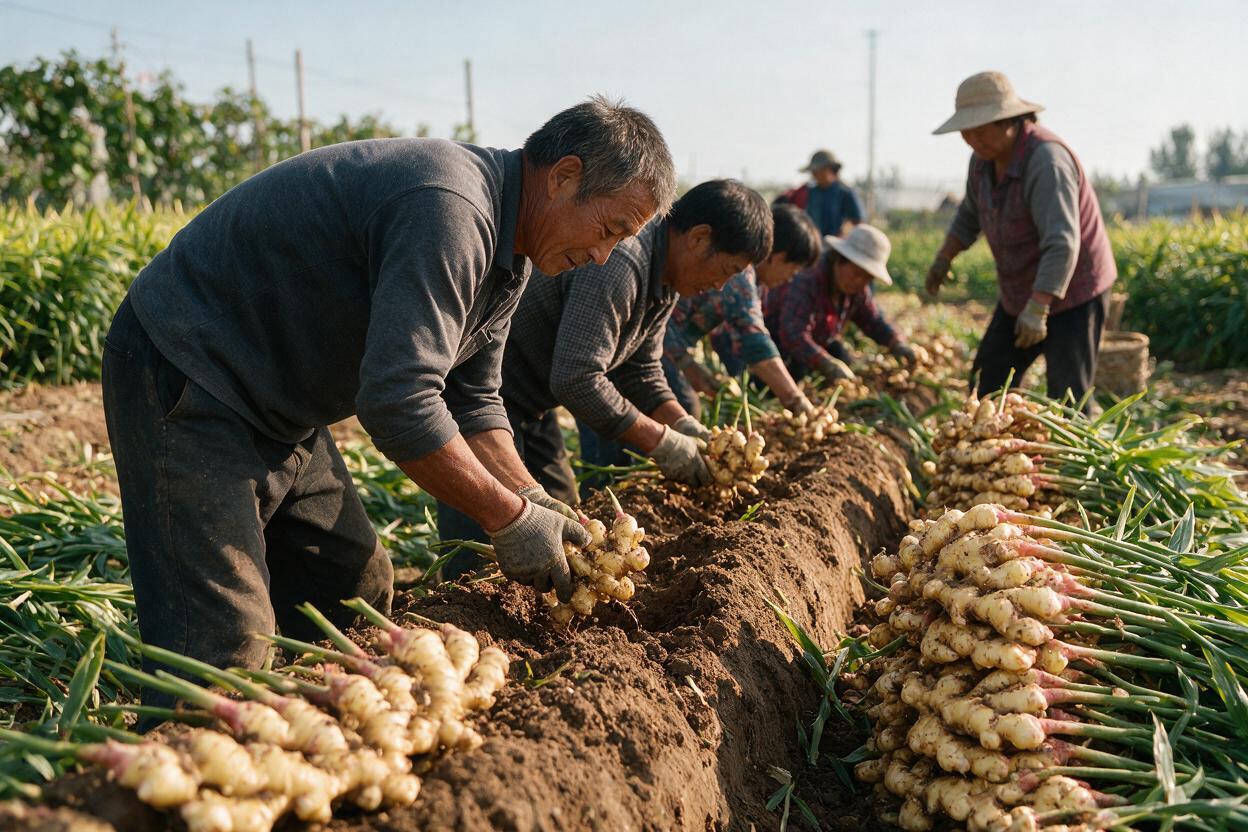
Reading the physical markers on Chinese ginger
Firm, dense roots with thin, clean skin and high dry matter generally signal better oil yield. Shandong (Laiwu) and Yunnan are key Chinese origins; Yunnan ginger tends to be fragrant and spicy while Shandong roots are favored for their size and flesh color.
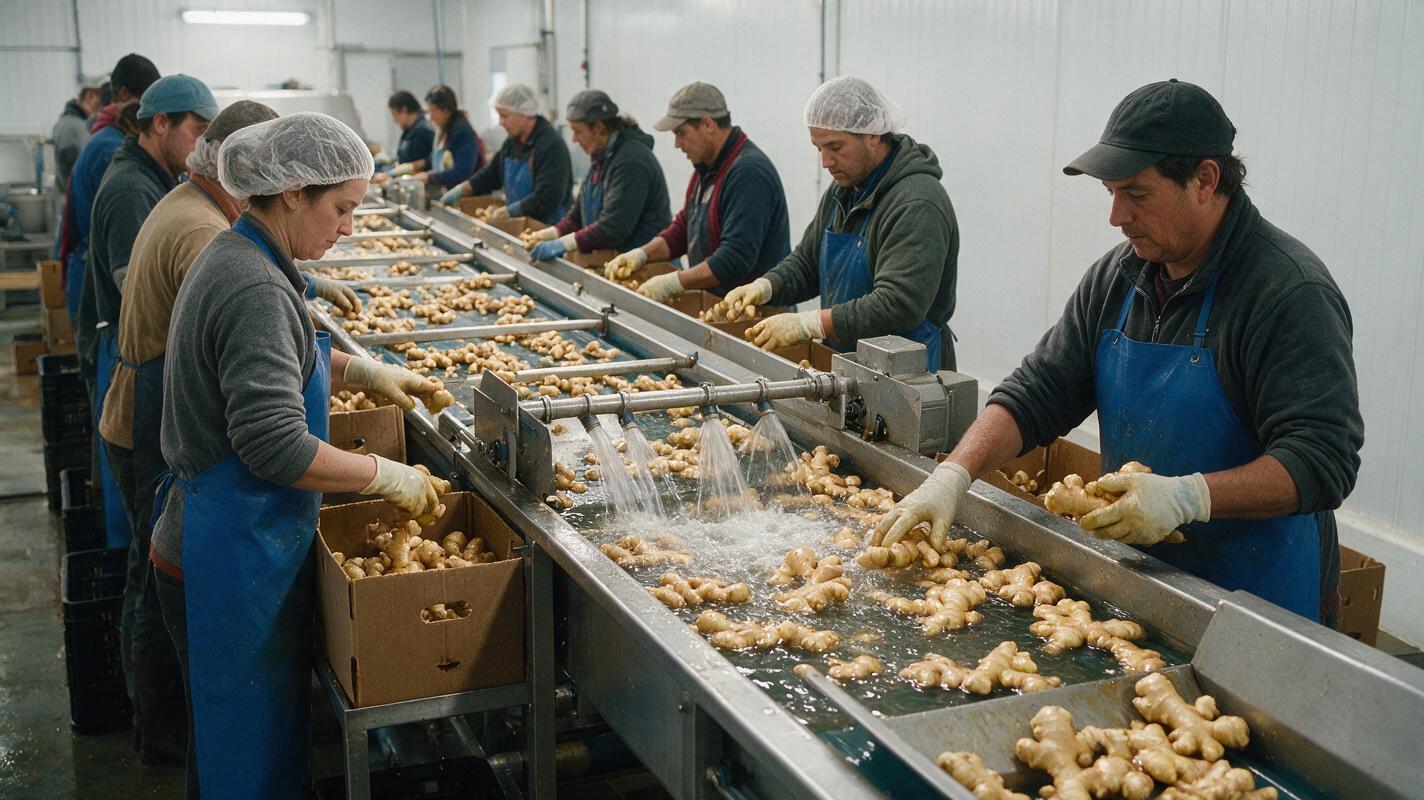
Matching quality index to end use
Culinary fresh ginger tolerates a moderate oil profile, but essential-oil distillation and beverage extraction demand high-oil roots. Ask your supplier for an oil-content or sensory benchmark, and whether roots are sold fresh, dried or as oil and oleoresin.
Share your intended use, and Hua Sheng can match you to the right ginger origin and quality index.