



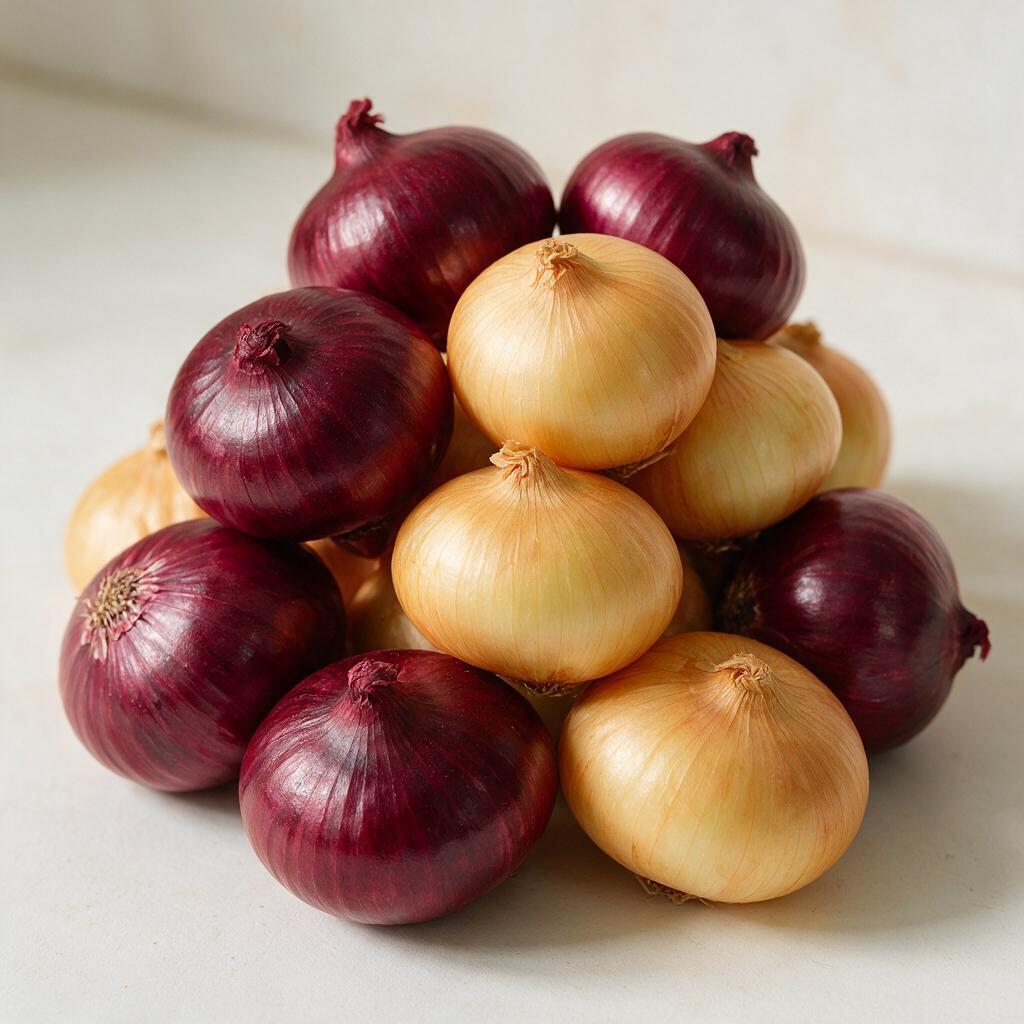
Onion Photoperiod and Day Length: Choosing the Right Varieties for Chinese Export Supply
Day Length Sets the Bulbing Trigger
Onions are photoperiod-sensitive: they only start to bulb when the day reaches a critical length. Short-day, intermediate-day and long-day types each have their own trigger, which is why variety choice must match the latitude and planting season of the growing region. Get it right and the crop bulbs uniformly; get it wrong and you get leaves, necks and small bulbs.
Matching Types to Chinese Growing Regions
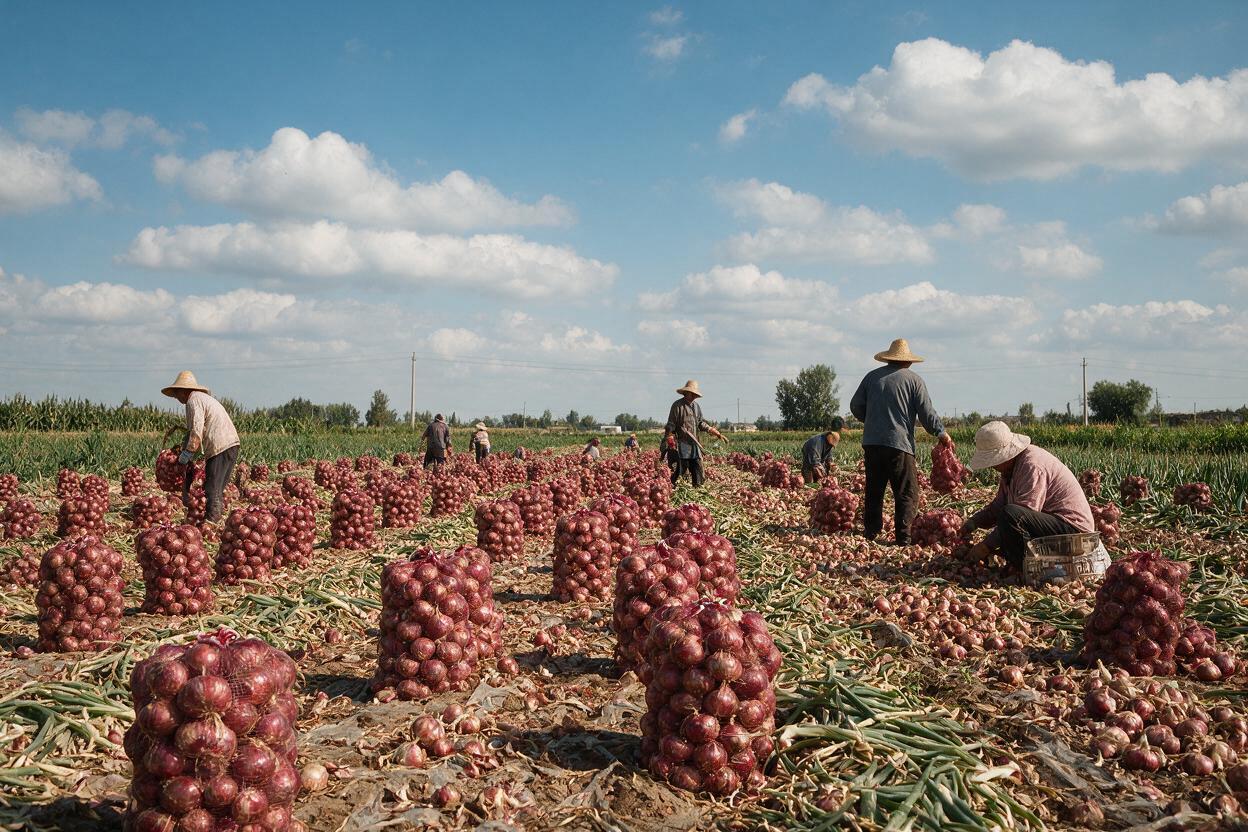
China grows onions across a wide range of latitudes. In warmer southern and central regions, short-day types planted for late-winter harvest suit the mild climate; in the north, intermediate and long-day varieties match the longer summer days. Exporters plan variety, planting date and harvest window together so the right photoperiod profile lines up with the season and the buyer's calendar.
Why It Matters for Export Quality
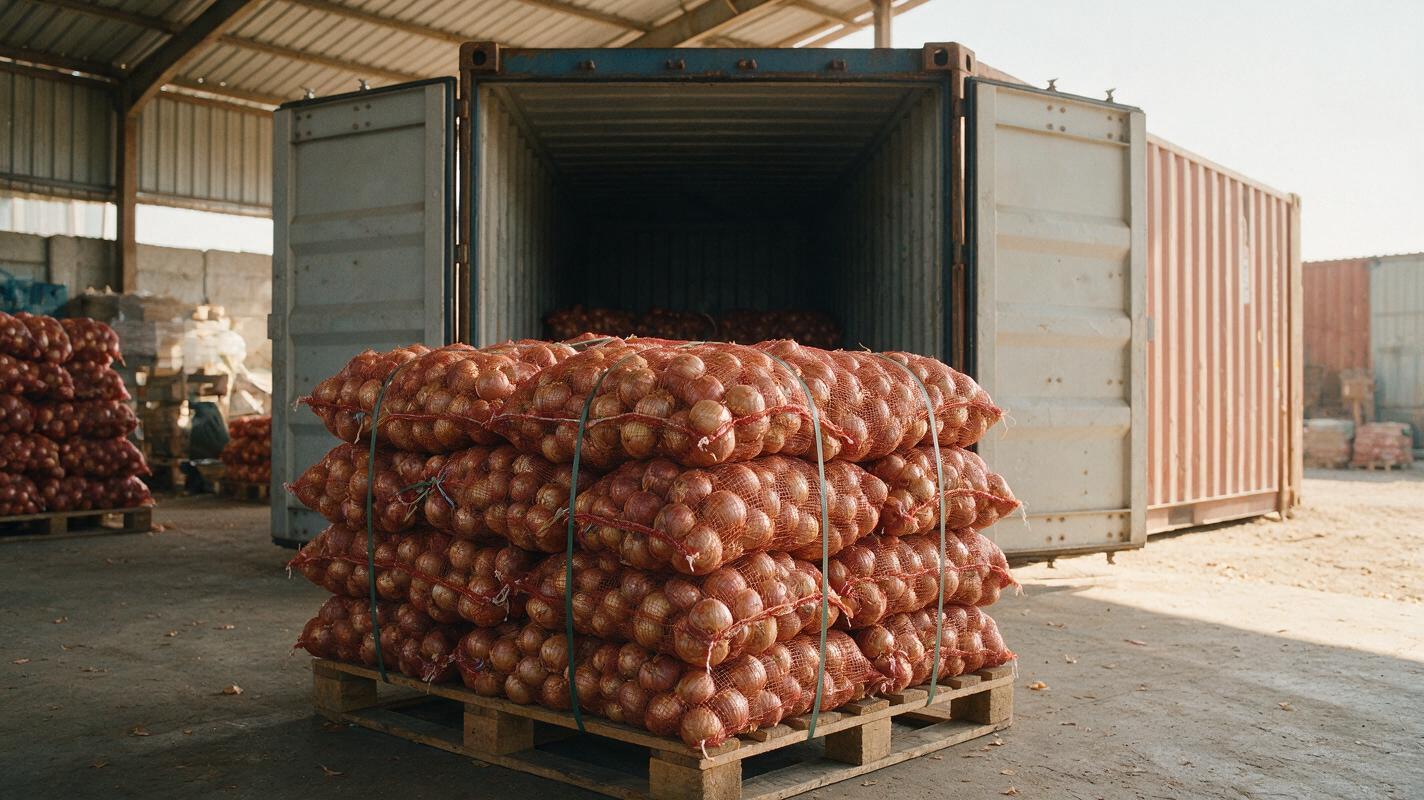
Correct photoperiod selection improves bulb size uniformity, skin finish and storage behaviour — the three things importers grade on. A crop that bulbs on schedule matures evenly, dries well and holds firm during shipping and cold storage, reducing sprout and rot losses in the container.
Plan a Season That Matches Your Market
If your market prefers mild sweet types or firm pungent storage onions, we can match the right photoperiod group and variety to your required harvest window. Let us plan variety, planting and grading around the day-length calendar to keep your supply stable.