




Onion Storage and Shelf-Life from China: Extending Export Freshness and Quality
Onions Are Built to Store, but Only If Handled Well
Onions are one of the few fresh vegetables that can be kept for months under the right conditions, which makes them a dependable year-round export. But that long shelf life is not automatic. It depends on curing the bulbs properly after harvest, drying them fully, and then holding them in storage that keeps them dormant and healthy until they are packed and shipped.
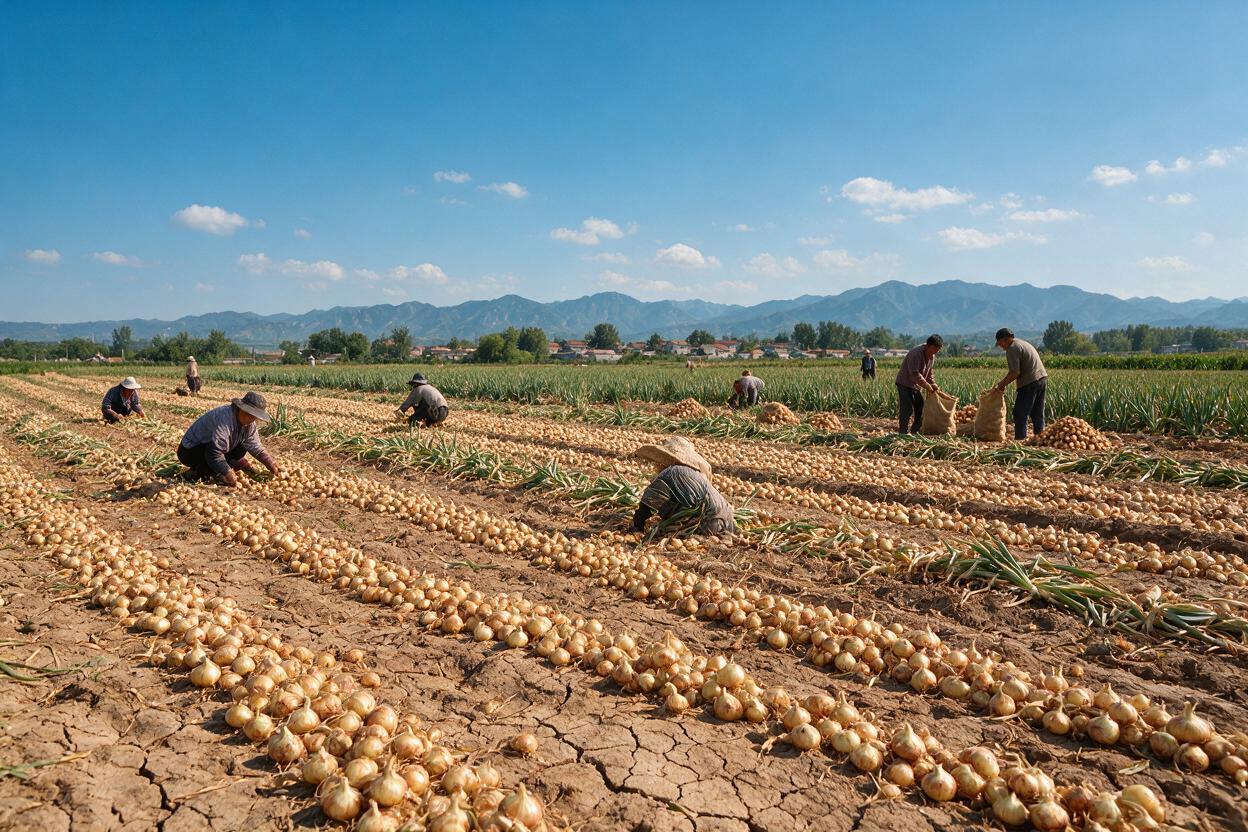
Everything starts in the field. Onions are harvested when the tops begin to fall over and the necks start to soften, a sign that the bulbs have stopped growing. They are then cured: the outer skin is dried and the neck seals so that moisture cannot enter the bulb. Curing well is the single most important step for long storage, because a poorly cured onion will rot or sprout much sooner no matter how good the storage room is.
Storage Conditions That Protect Shelf Life
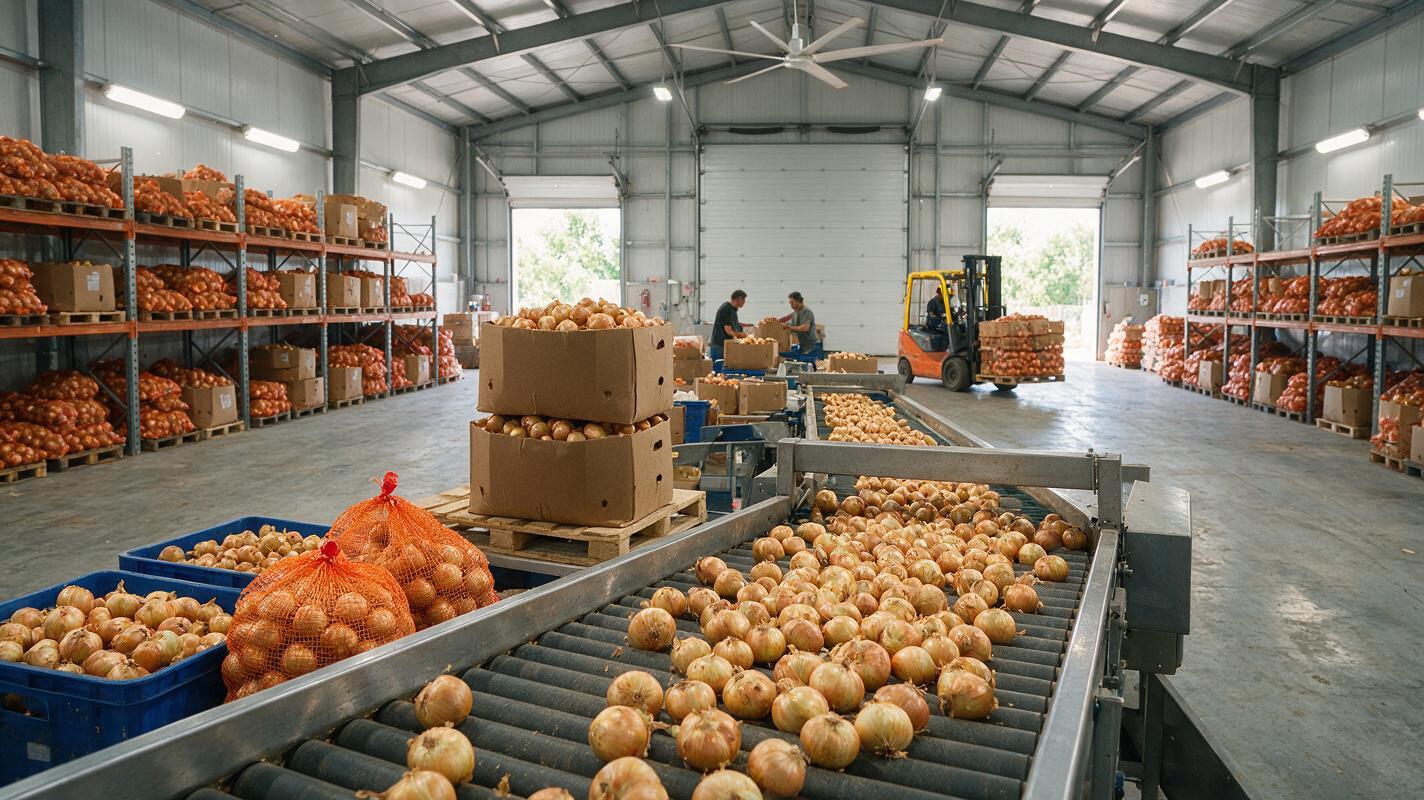
Once cured, dry onions need cool, dry air and good ventilation. The ideal storage is cool and low in humidity, so that the papery skins stay crisp and the bulbs do not sweat or grow roots. Air movement is essential to carry away moisture and heat, and onions are usually stored loose in ventilated bins or on pallets with space for air to circulate.
Temperature matters for dormancy. Onions held too warm tend to sprout, while onions held too cold and damp may develop rot. Managing these conditions through the storage season lets Chinese exporters supply fresh, firm onions long after harvest, smoothing out the seasonal gaps that buyers in cold or warm climates both face.
Sorting, Grading and Packing for Export
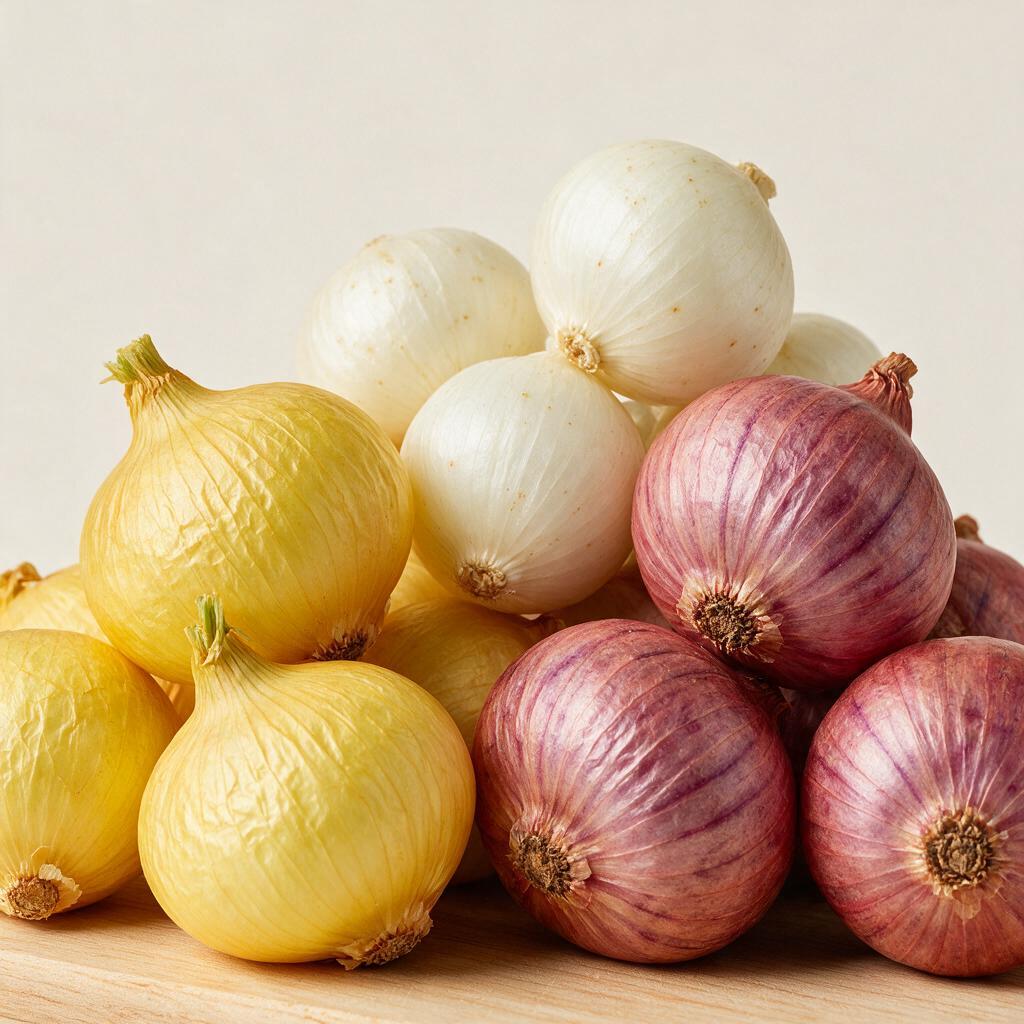
Even a well-stored onion lot needs careful handling at packing time. Bulbs are sorted by variety and colour - yellow, red and white - and graded by size, from pearl and small cooking onions up to the large bulbs used for slicing and rings. Damaged, sprouted, soft or decayed bulbs are removed so that every carton contains clean, firm, dry onions.
Packing protects the shelf life too. Onions are usually shipped in mesh bags, net sacks or ventilated cartons that allow air to move and keep moisture from building up inside the package. Proper ventilation during transit prevents the condensation that can turn a good load into an off-grade one.
Reliable Supply from Storage-Aware Suppliers
The practical benefit of good storage is flexibility. A supplier with storage capacity can deliver onions steadily across the year, adjust grades to match orders, and hold stock while short-term prices settle. For importers, this reduces the risk of supply gaps and makes ordering simpler.
Huasheng Fruits & Vegetables combines careful field curing, controlled storage and disciplined grading so that fresh dry onions keep their firmness and shelf life from our warehouse to your port. If you need consistent volumes of yellow, red or white onions with dependable quality, a supplier that treats storage as seriously as harvest is the right place to start.